Resources
Resources
Discover helpful information and tools to stay informed.
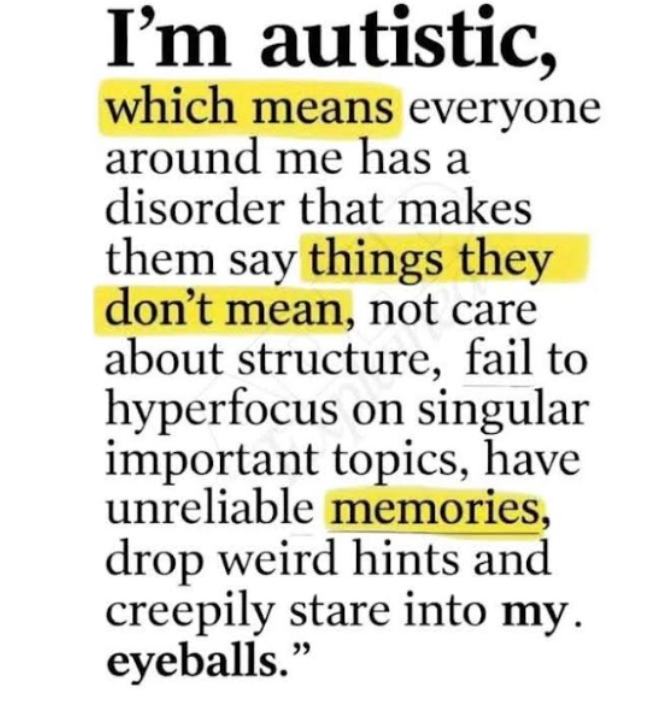
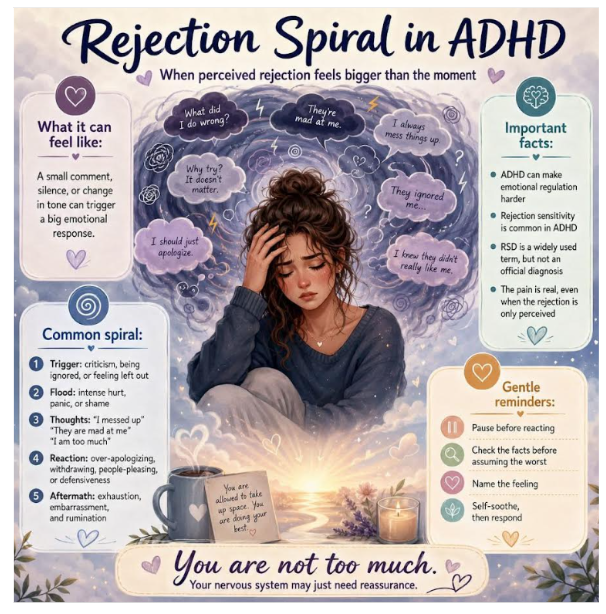
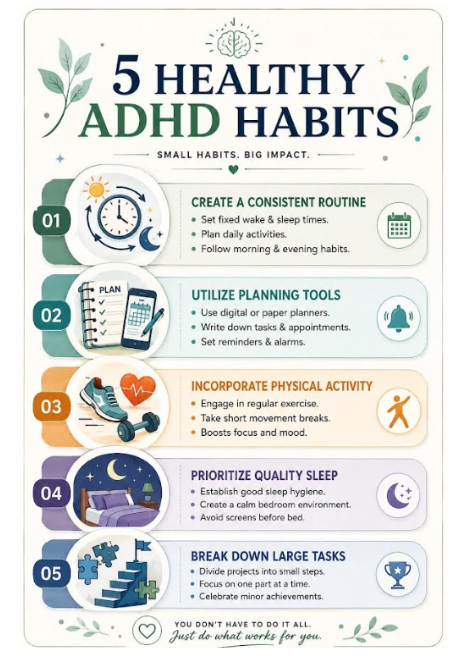
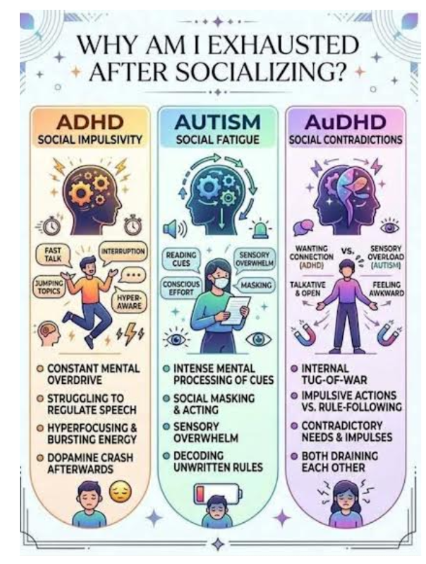
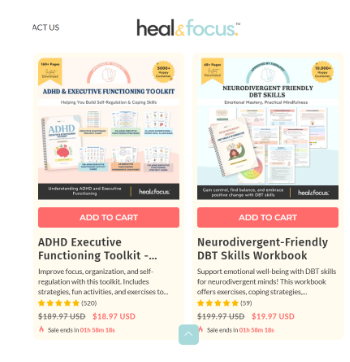
1. Heal and Focus has two helpful modules.
a. ADHD Executive Functioning Toolkit
b. Neurodivergent-Friendly DBT Skills Workbook.
Heal & Focus | Health, Fitness & Mental Wellness Resources. The cost seems reasonable and can be purchased from the site.
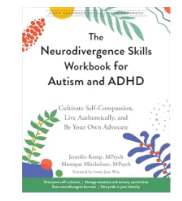
2. The Neurodivergent Skills Workbook for Adults by Jennifer kemp
A neuroaffirming workbook for Autistic, ADHD, and AuDHD readers―written by neurodivergent psychologists and packed with self-compassion skills to help you embrace who you are, advocate for your needs, and thrive.
As an Autistic, ADHD, or neurodivergent person, you may sometimes feel as if you’re living in a world that wasn’t designed for you. You may experience sensory sensitivities, social difficulties, executive functioning challenges, sleep issues, depression, anxiety, burnout, meltdowns, or trauma from a lifetime of marginalization, masking, and microaggressions.
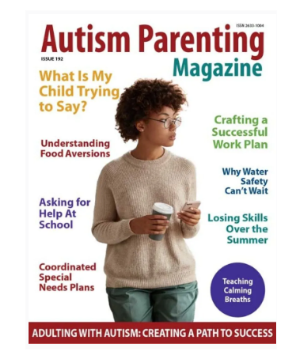
3. Autismparentingmagazine.com
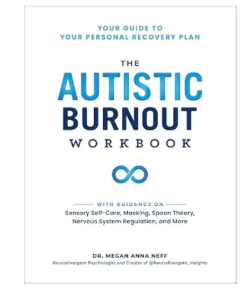
4. Autistic Burnout Workbook by Megan Anna Neff
Navigate the challenging terrain of autistic burnout with expert guidance, insightful visuals, and transformative exercises designed to help you pursue your own recovery from neurodivergent psychologist Dr. Megan Neff.
Feeling burnt out? You’re not alone. Autistic burnout is a challenge faced by many individuals on the autistic spectrum. And The Autistic Burnout Workbook is here to help.
I think I might be Autistic by Cynthia Kim
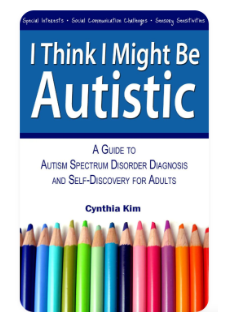
"I Think I Might Be Autistic: A Guide to Autism Spectrum Disorder Diagnosis and Self-Discovery for Adults" begins from that "aha!' moment, addressing the many questions that follow. What do the symptoms of ASD look like in adults? Is getting a diagnosis worth it? What does an assessment consist of and how can you prepare for it?
ADHD Field Guide for Adults by Cate Osborn
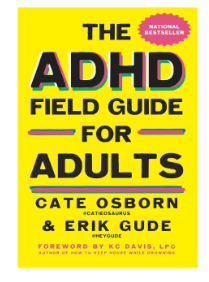
WELCOME TO THE CLUB—ADHD is one of the most common psychiatric disorders in adults, yet “there are no US guidelines for diagnosing and treating patients beyond childhood” (The New York Times). With roughly eight million adults living with ADHD and more people seeking and receiving diagnoses each year, there’s a huge gap between lived experiences and straightforward information.
ADHD and Emotional Mastery by Jamie Cunningham
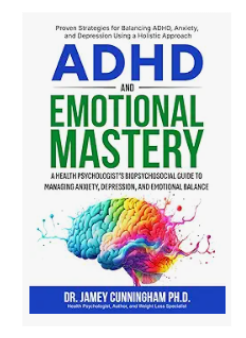
A Health Psychologist's Guide to Managing Anxiety, Depression, And Emotional Balance. Discover emotional balance and conquer ADHD, Anxiety, and Depression, without feeling overwhelmed by complexity.
Woman and Girls on the Autism Spectrum
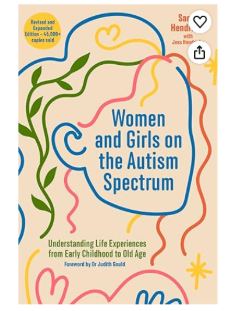
The difference that being female makes to the diagnosis, life and experiences of an autistic person is hugely significant. In this widely expanded second edition, Sarah Hendrickx combines the latest research with personal stories from girls and women on the autism spectrum to present a picture of their feelings, thoughts and experiences at each stage of their lives.
Outlining the likely impact will be for autistic women and girls throughout their lifespan, Hendrickx surveys everything from diagnosis, childhood, education, adolescence, friendships and sexuality, to employment, pregnancy, parenting, and aging.
When an Adult You Love Has ADHD: Professional Advice for Parents, Partners, and Siblings by Russell A. Barkley PhD
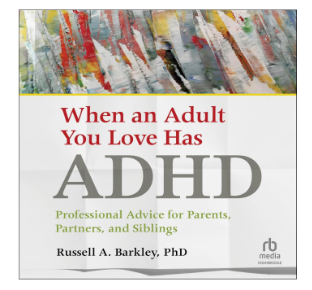
ADHD doesn't just affect kids—adults can have it too. This will come as no surprise if you are close to an adult who has problems with attention, concentration, distractibility, impulsiveness, forgetfulness, or self-control (or all of these symptoms). The good news is that with effective treatment your loved one with ADHD can have a happier, more successful life and a stronger, closer relationship with you and others.
Natural Relief for Adult ADHD: Complementary Strategies for Increasing Focus, Attention, and Motivation With or Without Medication by Stephanie Sarkis, PhD
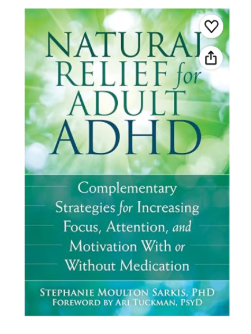
For some people with attention deficit/hyperactivity disorder (ADHD), medication may not be the right answer, and for others, medication alone may not be enough. Natural Relief for Adult ADHD offers an accessible, research-based guide on the most effective non-medication treatments for ADHD.
Taking off the Mask by Hannah Belcher
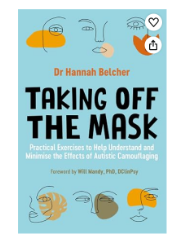
'I realised I had been camouflaging my whole life - I'd been trying to mask my autistic traits and fit in with all the non-autistic people around me.'
Growing up autistic can often feel as though you have to become a chameleon in social situations, camouflaging yourself to fit in with a seemingly neurotypical world. Combining lived experience with scientific research and practical advice, this book is the essential guide to understanding why you mask and how to feel confident without one.
You are not the Problem by Liz Lewis
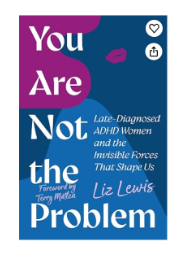
ADHD in women is still widely misunderstood which often makes navigating the world as an ADHD woman exhausting and filled with shame. Why do I find things so challenging that other women do with ease? Why can't I get anywhere on time?
Drawing on her professional experience within the ADHD community as well as her work with late-diagnosed ADHD women, Liz Lewis is here to put these anxieties to rest. She reveals the hidden costs of masking and Rejection Sensitive Dysphoria, navigating relationships and motherhood, and the impossible "Triple Bind" that demands women excel in all domains while appearing effortlessly perfect.
Female Hormones and ADHD by Dr. Skoglund
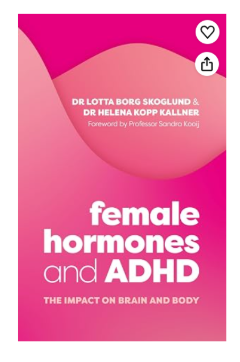
Women and girls with ADHD are often left feeling misunderstood and inadequately supported by health care. This comes as no surprise when research has historically almost exclusively been conducted on boys and men, leading to a lack of understanding around female specific ADHD challenges.
Autism Video Clip

Adult ADHD Video Clip

ADHD Symptoms Explained

The Neuroscience of ADHD

Undiagnosed Autism in Adults

Difference between Autism Vs. Trauma

Autistic Girls Present Differently

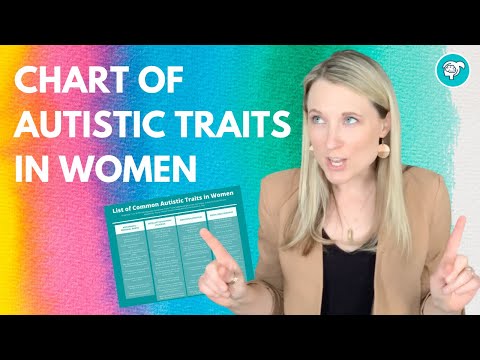
Missed Autistic Traits in Women
What is a Learning Disorder

Dyslexia Test

Dyscalculia

1. Ascentautism.com
This is a structured online weekly group focused on social skills and making friends. There is a cost involved
1. AuDHD Adult Support & Advice Groups
This is a private Facebook group by “Flourishing with Neurodiversity”. They have 33 000 members and accept new members.
2. ADHD Late Diagnosis
This is a Facebook group for adults who received a late ADHD diagnosis.
3. Autism Speaks Support Group
This is a public Facebook support group with 2100 members.
4. ADHD Support Group for Adults with ADHD
This is a Facebook support group for adults. Currently 11 000 members.
5. ADHD Explained
This is a Facebook group with 104 000 members, offering helpful information and describing and explaining the internal experience of individual living with ADHD.
-
- flourishwithneurodiversity.com/home This site offers helpful workshops, coaching and training, helping neurodivergent adults, families and organizations flourish.
- https://chadd.org/understanding-adhd/
- https://www.additudemag.com/resources/
- https://add.org/adhd-resources/
- http://autismspeaks.org
- Autism Spectrum Disorder (ASD) | CDC
- https://grasp.org
- Autism | U.S. Department of Labor (dol.gov)
Privacy Policy
Psychological Assessment Services PLLC
Effective Date: 10/14/2026
Website: www.psyc-assess.com
Owner/Practice Location: University Place, Washington, USA
This Privacy Policy explains how psyc-assess.com (“we,” “us,” or “our”) collects, uses, and protects information when you use our website and related services. It is written for clients and, where applicable, end users of our services (for example, individuals completing assessments).
Important: This policy is intended to describe our privacy practices at a high level. It is not legal advice. Because you practice in a mental/psychology context, you may also have obligations under HIPAA and/or state health privacy laws depending on your exact services and data flows. If you want, tell me whether you handle Protected Health Information (PHI) and what software tools you use, and I can help tailor the wording.
1) Information We Collect
We may collect information in the following ways:
- Information you provide directly
Example: name, email address, phone number, contact preferences, client or patient details you submit through website forms, scheduling requests, intake forms, or communications with us. - Assessment/Service information (if applicable)
Example: answers you provide during assessments, intake details, and other information necessary to provide services. - Technical and usage information
Example: IP address, browser type, pages viewed, approximate location (derived from IP), device identifiers, and logs used to operate and secure the website. - Communications
Example: records of emails or messages you send to us.
2) How We Use Personal Information
We use personal information to:
- Provide services and respond to inquiries
- Communicate with clients and/or end users
- Manage appointments, scheduling, and client support
- Improve our website and services
- Maintain security, prevent fraud, and protect our systems
- Comply with legal obligations
3) Marketing, Sharing, and Selling (Clear Commitment)
We do not sell personal information for marketing purposes.
We also do not share or disclose end-user personal information with third parties for the purpose of marketing, advertising, or promotional targeting.
We may share personal information only in limited circumstances, such as:
- With service providers that help us operate (e.g., website hosting, email delivery, scheduling tools, payment processing if used), but only as needed to perform those services.
- When required by law (e.g., to comply with subpoenas, court orders, or other legal requirements).
- With your consent, where applicable.
If you are a client using our services for end-user purposes, the end user’s personal information is handled according to this Privacy Policy and will not be shared or sold to third parties for marketing purposes.
4) Social Media Use (Pinned Privacy/Terms)
If we use social media websites to communicate or promote our services, we will ensure that:
- Our privacy policy and/or relevant Terms and Conditions are pinned to the applicable profile/page where appropriate for visibility.
Social media platforms may also collect data under their own policies. Your use of those platforms is governed by the platform’s terms and privacy practices in addition to this policy.
5) Cookies and Tracking Technologies
We may use cookies or similar technologies to:
- Enable website functionality
- Understand usage patterns and improve the experience
- Remember preferences
You can typically control cookies through your browser settings. Disabling cookies may limit some website functionality.
6) Data Retention
We retain personal information only as long as necessary for the purposes described in this Privacy Policy, including:
- Providing services
- Security and fraud prevention
- Complying with legal requirements
- Resolving disputes
Retention periods may vary depending on the information type and the purpose for which it was collected.
7) Security
We use reasonable administrative, technical, and organizational safeguards intended to protect personal information from unauthorized access, disclosure, alteration, or destruction.
No method of transmission or storage is 100% secure, so we cannot guarantee absolute security.
8) Your Choices and Privacy Rights (Washington State)
Depending on your situation and applicable law, you may have rights related to your personal information, such as:
- Accessing your personal information
- Correcting inaccurate information (where applicable)
- Deleting personal information (where applicable)
- Objecting to certain processing (where applicable)
- Exercising other rights under applicable privacy laws
To submit a request, use the contact method in Section 11. We may need to verify your identity before fulfilling certain requests.
9) Health Information (If Applicable)
If you provide information that qualifies as health or behavioral health information, we will handle it with care and use appropriate safeguards. Depending on your services and your role, additional privacy obligations may apply (for example, HIPAA and/or state health privacy laws).
10) Children’s Privacy
Our website is not intended for children under 13, and we do not knowingly collect personal information from children. If you believe a child has provided personal information to us, please contact us so we can address the issue.
11) Contact Us
If you have questions about this Privacy Policy or wish to make a privacy request, contact:
Email: admin@psytest1.com
Location: 2607 Bridgeport Way W Suite 2E, University Place, WA 98466, USA
12) Changes to This Privacy Policy
We may update this Privacy Policy from time to time. We will update the Effective Date at the top of this page. Continued use of the website after changes means you accept the updated policy.
For Adult Autism
1. The Washington autism alliance provide helpful training workshops in this regard Home - Washington Autism Alliance.
2. [Therapy and Support for Autism | Autism Speaks|https://www.autismspeaks.org/therapy-and-support-autism]
3. [Treatment and Intervention Services for Autism Spectrum Disorder | NCBDDD | CDC|https://www.cdc.gov/ncbddd/autism/treatment.html]
4. The Global and Regional Autism Spectrum Partnership (GRASP)
5. [Autism | U.S. Department of Labor (dol.gov)|https://www.dol.gov/agencies/odep/program-areas/autism] offers links to sites and resources to support adults with AS seeking ideas, insights, and next steps.
For ADHD
https://chadd.org/understanding-adhd/
https://www.additudemag.com/resources/
https://add.org/adhd-resources/
Book: When an Adult You Love Has ADHD: Professional Advice for Parents, Partners, and Siblings by Russell A. Barkley PhD
Book: Natural Relief for Adult ADHD: Complementary Strategies for Increasing Focus, Attention, and Motivation With or Without Medicationby Stephanie Sarkis, PhD

Unpacking Unique Female Autism Traits
For decades, the model for autism was almost exclusively based on studies of boys and men. This resulted in a narrow stereotype that missed the nuanced and often internalized experiences of autistic girls and women. Recognizing these specific female autism traits is key to a more inclusive understanding of the entire spectrum.
While a common autistic trait is difficulty with social interaction, autistic women often develop highly sophisticated compensatory strategies from a young age. This can include:
- Social Masking or Camouflaging: Consciously or unconsciously mimicking the social behaviors of neurotypical peers. This can involve forcing eye contact, scripting conversations in advance, and adopting a persona that feels more socially acceptable.
- Intellectualizing Social Rules: Rather than intuitively understanding social dynamics, many autistic women learn them like a foreign language—studying, memorizing, and applying complex rules of engagement.
- Relying on a "Social Anchor": Finding one person in a social setting to shadow, letting them lead the conversation and provide cues on how to act.
These strategies, while effective for "fitting in," require immense mental energy and can lead to profound exhaustion.
The concept of a "special interest" is central to autism, but in women, these passions often defy stereotypes. Instead of trains or mechanics, an autistic woman's intense interests might be directed toward subjects considered more socially acceptable or common, such as:
- Psychology, social justice, or philosophy
- Fictional worlds (books, movies, TV shows)
- Animals and nature
- Art, history, or a specific academic field
The key differentiator is not the topic itself, but the intensity and depth of the passion. It becomes an immersive world, a source of profound joy, comfort, and expertise. This deep focus is a core part of the autistic experience, providing a rich inner life.
Living in a world not built for your sensory profile is a daily challenge. For autistic women, sensory sensitivities may be more internalized. Instead of visible meltdowns, they might endure overwhelming lights, sounds, or textures with quiet stoicism, leading to internal distress and eventual shutdown.
Similarly, differences in executive function—the mental skills that help you manage time, organize tasks, and regulate emotions—are common. This can manifest as feeling perpetually disorganized, struggling to transition between tasks, or experiencing intense emotional responses that seem disproportionate to the situation. If you've ever felt like your brain's operating system is just different, exploring your traits through a RAADSR test online can offer clarity.
The Phenomenon of Autistic Masking in Women
One of the most significant reasons autism is missed in women is the practice of masking. For many autistic masking women, it is a lifelong, subconscious survival strategy developed to navigate a neurotypical world and avoid negative social feedback. It is the constant performance of being "normal."
Why Autistic Women Mask: Social Pressure & Survival
From a young age, girls are often socialized to be more agreeable, emotionally attuned, and socially adept than boys. This immense social pressure teaches autistic girls that their natural ways of being—such as being direct in their communication, needing alone time to recharge, or stimming (repetitive movements) for self-regulation—are unacceptable.
Masking becomes a way to avoid bullying, make friends, and maintain relationships. It is a shield built to protect oneself from judgment and misunderstanding. Over time, this mask can become so integrated that the woman herself may not know where it ends and her true self begins.
While masking can help with short-term survival, its long-term cost is devastating. The constant mental calculus of suppressing natural behaviors and performing neurotypical ones leads directly to autistic burnout. This is not just feeling tired; it is a state of profound exhaustion affecting every aspect of life.
Symptoms of autistic burnout include:
- Chronic fatigue and exhaustion
- Loss of skills (e.g., ability to socialize, work, or manage daily tasks)
- Increased sensory sensitivity and meltdowns
- Worsened anxiety and depression
Recognizing the connection between masking and burnout is a crucial step in recovery. It begins with giving yourself permission to unmask and honor your authentic needs, a journey that an adult autism test can help initiate.
The combination of a skewed diagnostic model and effective masking means countless women spend decades feeling broken or flawed without knowing why. The reality for most late diagnosis autism women is a history of being misunderstood by the very systems meant to help them.
The Path to Self-Recognition & Seeking Validation
For many women today, the path to diagnosis begins with self-recognition. It’s the "aha!" moment that comes from reading an article, seeing a video from another autistic woman, and realizing, "That's me." This online community and shared experience have become a lifeline, providing the language and validation that were missing for so long. For more resources and support, you can visit organizations like the Autistic Self Advocacy Network (ASAN).
This journey is deeply personal and valid. Self-reflection tools serve as an essential part of this process, providing a structured framework to connect personal experiences with recognized autistic traits. A confidential autism screening can be an empowering step toward self-understanding and acceptance.
4 Challenges and 4 Strengths in High-Functioning Autism | Amen Clinics Amen Clinics
What Happens When People with Autism Go Untreated? | Amen Clinics Amen Clinics