ADHD
ADHD Assessments
Have you felt different?
Attention-Deficit/Hyperactivity Disorder, is a neurodevelopmental condition that affects how people pay attention, stay still, and control impulses. It usually shows up in childhood but can continue into adolescence and adulthood. Key features include Inattention and Hyperactivity-impulsivity.
ADHD Facts
Undiagnosed ADHD can be detrimental to mental health. Inattentiveness is not laziness, lack of motivation or incompetence. Hyperactivity is not insensitivity or self-centeredness. Understanding how your brain works allows necessary accommodation, personal growth and a kinder inner voice.
ADHD symptoms often feel like stress, anxiety and frustration about not following through. You are, however, not alone. 6.2% of adults in the US live with ADHD. 56% of adults with ADHD, lived with undiagnosed ADHD through adolescence, only receiving their diagnoses in adulthood. Advances in research and assessment methods now make it possible to accurately diagnose those who have flown under the radar, providing clarity and support with a condition that impacts all areas of your life.
We provide the highest quality clinical assessments, considering all possible contributing factors and the impact of undiagnosed ADHD on your development.
There are three possible presentations.
- ADHD, predominantly inattentive presentation, where the main challenge is inattention and distractibility. People with the inattentive presentation may seem forgetful, have trouble organizing tasks, and miss details.
- ADHD, predominantly hyperactive-impulsive presentation, struggle with hyperactivity and impulsivity, with fewer or milder inattentive symptoms. People with the hyperactive/impulsive presentation may fidget, have trouble staying seated, talk a lot, and act without thinking.
- ADHD, combined presentation, have both inattention and hyperactivity-impulsivity impairing functioning.
- ADHD is diagnosed when a persistent pattern of inattention and/or hyperactivity-impulsivity occurs, that interferes with functioning or development.
- Several symptoms of inattention were present before age 12.
- Several symptoms are present in two or more settings (e.g., home, school, work).
- Clear evidence that the symptoms interfere with, or reduce the quality of, social, academic, or occupational functioning.
- The symptoms are not better explained by another mental disorder and are not exclusively during the course of another condition (e.g., schizophrenia, mood disorder) or by another medical issue.
ADHD can affect many parts of a person’s life. The impact of ADHD goes far beyond inattention and impulsivity. It often has a serious effect on social, emotional and occupational functioning and identity formation. Difficulties with staying organized can strain relationships, frequent frustration by others about forgetfulness can lead to discouragement and low self-esteem and other might misinterpret symptoms as laziness and carelessness. People with ADHD are more likely to be involved in motor vehicle accidents, not complete college, lose a job, get divorced, struggle with obesity, depression and anxiety. Some people do not like the idea of being labelled, feeling there is something wrong with them.
ADHD screening is a quick process used to check whether an individual displays common ADHD symptoms and should have a full diagnostic evaluation. Screening is usually done with brief questionnaires or checklists, and its purpose is to identify people who may need a more thorough assessment. Screening is not a diagnosis.
The purpose of a formal assessment is the diagnosis of ADHD. When symptoms are very clear and obvious, a diagnosis can be made by a general practitioner. For others, symptoms may be more subtle, hidden behind strong intellectual abilities or career successes, requiring more in-depth assessment by a qualified clinical psychologist.
An adult evaluation for ADHD will include a review of developmental, medical and psychological history, structured activities to assess cognitive functioning, and completion of questionnaires. An important part of an ADHD evaluation is collecting information on the adult’s childhood and developmental history. This could involve the participation of someone such as a parent, sibling, or relative who can report on early developmental history.
There are a number of different psychological and neuropsychological measures used in an ADHD evaluation. Assessment starts with a clinical interview and self-report measures like the ASRSv1.1, Conners Adult ADHD Rating Scale and the Copeland Symptom List clarifying the extent and severity of experienced symptoms. Self-report measures are cross referenced with objective tests like the Test of Variable Attention or QbCheck, measuring certain cognitive abilities and then comparing them to other same age peers who have been diagnosed with ADHD. Finally, observer measures like the Conners Adult ADHD Rating Scale, observer report and collateral interviews are provide important confirmatory data.
ADHD isn’t caused by one factor. It’s best thought of as the result of multiple interacting influences - genetic, brain development, and environmental factors. Genetics is a big factor. ADHD runs in families. Heritability is high (roughly 70–80% in many studies). A family history of ADHD or related traits increases risk.
Differences in brain networks involved in attention, self-control, and impulse regulation are related. Other contributing factors include prenatal exposure to substances, premature birth or low birth weight, lead exposure or other environmental toxins. Early adversity or high-stress environments may influence how symptoms appear or persist, though they’re not sole causes.
Use existing design and content under this section
Our Process
Use existing design and content under this section
ADHD Facts
Undiagnosed ADHD can be detrimental to mental health. Inattentiveness is not laziness, lack of motivation or incompetence. Hyperactivity is not insensitivity or self-centeredness. Understanding how your brain works allows necessary accommodation, personal growth and a kinder inner voice.
ADHD symptoms often feel like stress, anxiety and frustration about not following through. You are, however, not alone. 6.2% of adults in the US live with ADHD. 56% of adults with ADHD, lived with undiagnosed ADHD through adolescence, only receiving their diagnoses in adulthood. Advances in research and assessment methods now make it possible to accurately diagnose those who have flown under the radar, providing clarity and support with a condition that impacts all areas of your life.
We provide the highest quality clinical assessments, considering all possible contributing factors and the impact of undiagnosed ADHD on your development.
Why Adult Seek ADHD Assessment
1. Symptoms were masked by intelligence, structure, or support
Many adults with ADHD did “well enough” in childhood:
- High intelligence, strong memory, or creativity compensated for attention issues
- Parents, teachers, or routines provided external structure
- School demands didn’t yet exceed coping capacity
Once adult life removes structure (college, work, parenting), symptoms become unmanageable—and finally visible.
2. ADHD stereotypes focused on hyperactive boys For decades, ADHD was narrowly defined as:
- Young
- Male
- Physically hyperactive
Adults—especially women, inattentive types, and high-masking individuals— were overlooked. Many were mislabeled as:
- Lazy
- Anxious
- Depressed
- “Not trying hard enough”
They often seek assessment only after learning that ADHD can look very different in adults.
3. Symptoms were misattributed to personality or mental health
Common adult ADHD traits are often misinterpreted as:
- Anxiety (constant overwhelm, racing thoughts)
- Depression (burnout from chronic effort)
- Low self-esteem (years of perceived failure)
- Character flaws (“disorganized,” “irresponsible”) Adults may pursue assessment only after years of ineffective treatment for these secondary issues.
4. Adult responsibilities expose executive function deficits
ADHD often becomes unmistakable when life requires:
- Long-term planning
- Self-directed work
- Time management without supervision
- Balancing work, relationships, finances, and health
Many adults say, “I was coping… until I wasn’t.” The assessment is triggered by burnout, job instability, or relationship strain.
5. Growing awareness and reduced stigma Recent changes have made adult assessment more likely:
- Increased public education and social media awareness
- Better diagnostic criteria for adults
- Seeing themselves in others’ stories
- Greater acceptance of neurodiversity
Many adults seek assessment after a child, partner, or colleague is diagnosed— and it suddenly clicks.
Our Process
a. Register as client
b. Complete administrative documents
c. Receive links for pre-assessment
d. Provide contact details of someone that can tell us about you. Someone that knows you very well and preferably has known you since childhood. Parents or close family or friends are often good options.
a. Complete all questionnaires as accurately as possible. The accuracy of results depends on the accuracy of your answers
b. Once submitted your scores will be available for Dr. N’s review
a. This online meeting may last 2-3 hours. Feel free to have snacks available. We can take short breaks when needed
b. Dr. Nieuwenhuizen will ask questions about your symptoms, mental health history, medical history, family history and your early development.
c. Additional assessments requiring real-time interaction will be administered.
d. Dr. Nieuwenhuizen will answer any questions you may have.
e. Following your one-on-one meeting, Dr. Nieuwenhuizen will gather, score and interpret your data and write your report.
a. One all the data is collected, your report will be complete in less than two weeks. At that time Dr. N will email you and schedule your online feedback session/
b. The feedback session can be anywhere from 15 minutes to 1 hour, depending on the discussion.
c. After the feedback session, Dr. N will forward a signed PDF copy of the report to your email.
Famous People with ADHD
ADHD poses challenges and opportunities. If managed effectively you can be very successful.
Top 7 Famous Actors/actresses Diagnosed With ADHD

6- Emma Watson

5- Michelle Rodriguez

4- Woody Harrelson

3- Ryan Gosling

2- Will Smith
Not only an award-winning actor, but also a producer and rapper, Will Smith also claims that he has ADHD. Forbes ranked him among the “most bankable stars” so his success is more than evident despite his condition.

1- Jim Carrey
Award-winning actor Jim Carrey is also a celebrity who struggles with ADHD. The famous actor has actually won our hearts by bravely using all the symptoms to his advantage - in the characters he plays.

Top 5 Famous Athletes Diagnosed With ADHD
5- Karina Smirnoff
Karina is a great example of athletes who have ADHD and who always strive for more. She has a variety of interests like dancing, ice skating, playing the piano, and gymnastics. She is using medication to stay focused and it seems to work for her. So far, she has become a five-time champion U.S., National Champion, World Trophy Champion.

4- Simone Biles
She is an award-winning gymnast. She has won 19 world championships and Olympic gold medals despite her struggle with Attention Deficit Hyperactivity Disorder. She was diagnosed with ADHD when she was a child and has used medication ever since.

3- Michael Phelps
When he was a child, his teacher told him that he wouldn’t be able to succeed in anything in life. But Michael didn’t surrender to his ADHD and became a great swimmer winning 23 Olympic gold medals.

2- Terry Bradshaw
Focusing and standing still can be challenging for children and adults with ADHD. Terry was also experienced difficulties in school and decided to shift his concentration to sports. Eventually, he became a Super Bowl Champion.

1- Michael Jordan
He is known as the greatest basketball player of all time. Yet, he was never completely content with what he had achieved and he always tried to discover himself, which is also considered a common symptom of ADHD.

Top 6 Famous Singers Diagnosed With ADHD
6- Loyle Carnel
Carnel is a believer that Attention Deficit Hyperactivity Disorder helped him in becoming a successful singer and musician. When he was young, he couldn’t figure out what the problem was, but after he was diagnosed with ADHD and dyslexia, he turned it into something positive for his life.

5- Solange Knowles
Solange is one of the famous people who initially refused to believe that she had Attention Deficit Hyperactivity Disorder. Yet, she managed to become a successful, famous singer, songwriter, and artist. However, after becoming more aware of the symptoms, she claimed that many people in the industry may have ADHD.

4- Will.i.am
You may rogue l remember him as a member of the Black Eyed Peas. William is a great example of someone who can see ADHD’s positive sides. In an interview with the Mirror, he claims that this disorder helped him become successful in his music career by saying “For every obstacle, there’s some type of solution. So if you have ADHD it’s your passion point.”

3- Adam Levine
Levine was diagnosed with ADHD when he was a child. Although he started medication, he still struggles with ADHD symptoms. Being the frontman of the famous Maroon 5 group, Adam proved that you can be a successful famous regardless of your ADHD condition.

2- Justin Timberlake

1- John Lennon

Top 4 Famous Authors Diagnosed With ADHD
4- Dav Pilkey

3- Agatha Christie
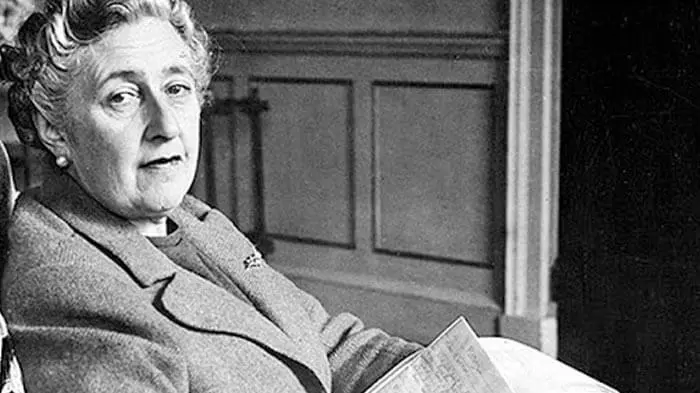
2- George Bernard Shaw
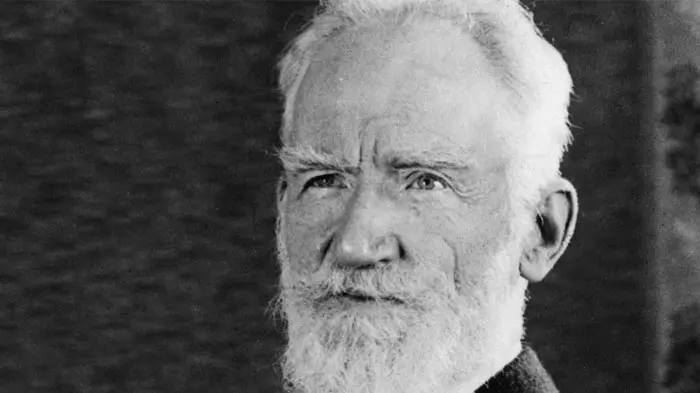
1- Jules Verne

Top 6 Famous Historical Figures Diagnosed With ADHD
6- Walt Disney

5- Wolfgang Amadeus Mozart

4- Alexander Graham Bell

3- Thomas Edison
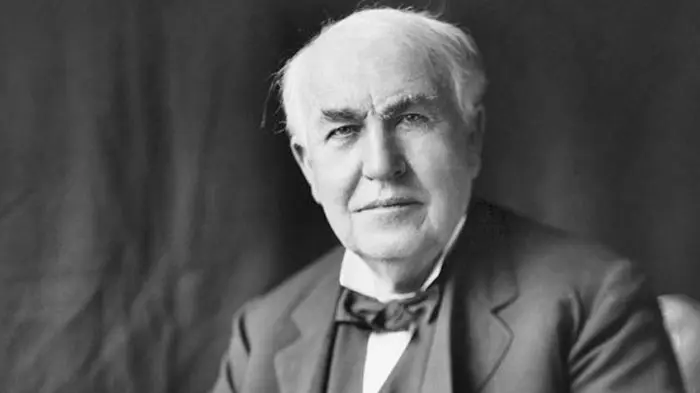
2- Albert Einstein

1- Leonardo Da Vinci